



EP
Prostaglandin E (PGE) exerts its biological effects primarily through four distinct G protein-coupled EP receptors, EP1-EP4, which mediate diverse downstream signaling pathways[1]. EP receptors regulate critical physiological processes, including airway smooth muscle tone, vascular permeability, and fibroblast proliferation[1][2][3]. Mechanistically, EP1 couples with phospholipase C and PKCα to enhance fibronectin assembly and osteogenesis in osteoblasts[4]. EP2 and EP4 activate adenylate cyclase, increasing cAMP levels and modulating PKA- and Epac-dependent pathways to inhibit fibroblast proliferation and regulate glycosaminoglycan synthesis[5][6][7]. In disease models, EP4 signaling influences inflammation, tumor metastasis, and adipogenesis, with selective EP4 agonists promoting osteo-adipogenic progenitor proliferation via ERK-dependent pathways[3][8][5]. Compared with EP1-EP3, EP4 demonstrates broader signaling versatility and therapeutic potential due to its involvement in both anti-inflammatory and pro-angiogenic processes[3]. Selective agonists and antagonists have enabled isoform-specific pharmacological interrogation, revealing distinct contributions of each receptor in experimental models[1][9]. These reagents provide tools for dissecting EP receptor functions and exploring translational applications in inflammatory, fibrotic, and oncologic research[1][3][9].
References:
- [1]. Lebender LF, et al. Selectively targeting prostanoid E (EP) receptor-mediated cell signalling pathways: Implications for lung health and disease. Pulm Pharmacol Ther. 2018 Apr;49:75-87. [Content Brief]
- [2]. Largo R, et al. EP2/EP4 signalling inhibits monocyte chemoattractant protein-1 production induced by interleukin 1beta in synovial fibroblasts. Ann Rheum Dis. 2004 Oct;63(10):1197-204. [Content Brief]
- [3]. Konya V, et al. E-type prostanoid receptor 4 (EP4) in disease and therapy. Pharmacol Ther. 2013 Jun;138(3):485-502. [Content Brief]
- [4]. Tang CH, et al. Prostaglandin E2 stimulates fibronectin expression through EP1 receptor, phospholipase C, protein kinase Calpha, and c-Src pathway in primary cultured rat osteoblasts. J Biol Chem. 2005 Jun 17;280(24):22907-16. [Content Brief]
- [5]. Waters EK, et al. Aptamer BAX 499 mediates inhibition of tissue factor pathway inhibitor via interaction with multiple domains of the protein. J Thromb Haemost. 2013 Jun;11(6):1137-45. [Content Brief]
- [6]. Ma X, et al. Prostaglandin E receptor EP4 antagonism inhibits breast cancer metastasis. Cancer Res. 2006 Mar 15;66(6):2923-7. [Content Brief]
- [7]. Weinberg E, et al. Prostaglandin E2 inhibits the proliferation of human gingival fibroblasts via the EP2 receptor and Epac. J Cell Biochem. 2009 Sep 1;108(1):207-15. [Content Brief]
- [8]. Schmitz T, et al. EP(4) receptors mediate prostaglandin E(2)-stimulated glycosaminoglycan synthesis in human cervical fibroblasts in culture. Mol Hum Reprod. 2001 Apr;7(4):397-402. [Content Brief]
- [9]. Minamizaki T, et al. The EP4-ERK-dependent pathway stimulates osteo-adipogenic progenitor proliferation resulting in increased adipogenesis in fetal rat calvaria cell cultures. Prostaglandins Other Lipid Mediat. 2012 Mar;97(3-4):97-102. [Content Brief]
-
EP Related Products (109)
Related Products (109)

-
Prostaglandin E2
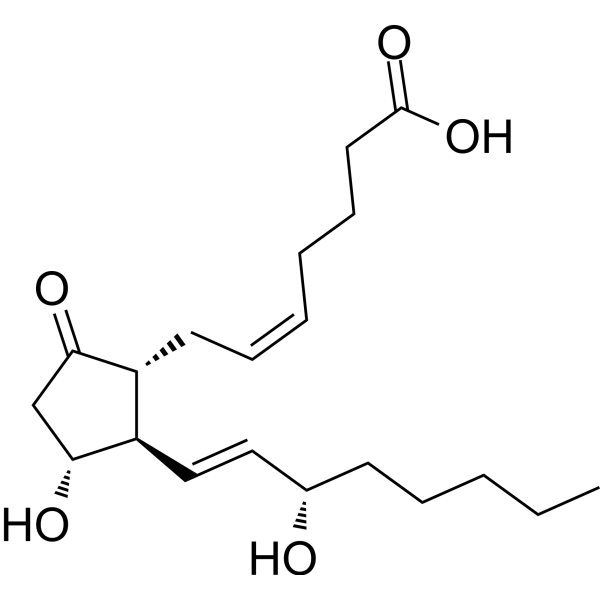 0 ImagesProstaglandin E2 (PGE2) is a hormone-like substance that participate in a wide range of body functions such as the contraction and relaxation of smooth muscle, the dilation and constriction of blood vessels, control of blood pressure, and modulation of inflammation.
-
Prostaglandin E1
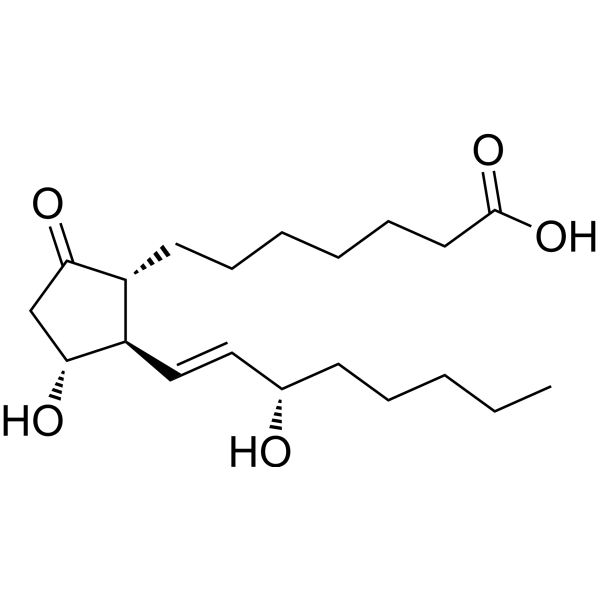 0 ImagesProstaglandin E1 (Alprostadil) is a prostanoid receptor ligand, with Kis of 1.1 nM, 2.1 nM, 10 nM, 33 nM and 36 nM for mouse EP3, EP4, EP2, IP and EP1, respectively. Prostaglandin E1 induces vasodilation and inhibits platelet aggregation. Prostaglandin E1 can be used as a vasodilator for the research of peripheral vascular diseases.
-
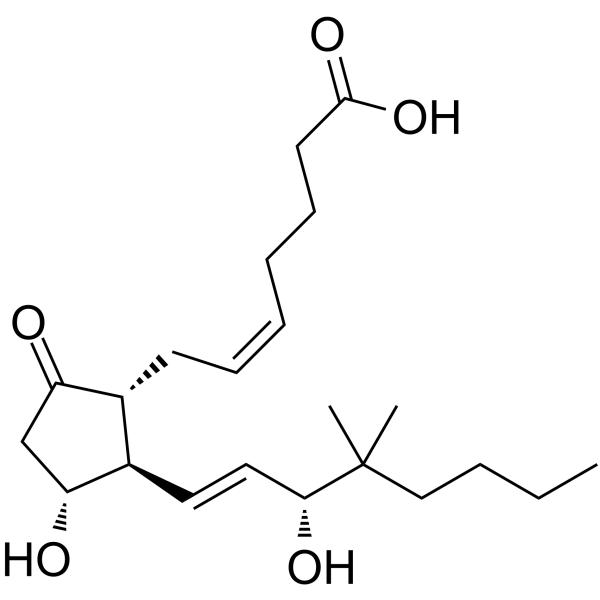
ONO-AE3-208
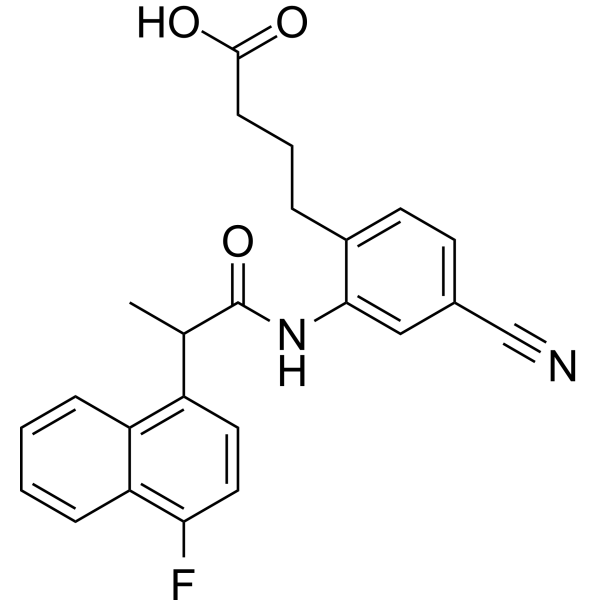 0 ImagesSynonyms: AE 3-208ONO-AE3-208 is a selective and orally active EP4 receptor antagonist with a Ki of 1.3 nM. ONO-AE3-208 shows less potently affects EP3, FP, and TP receptors (Ki of 30 nM, 790 nM, and 2400 nM, respectively). ONO-AE3-208 suppresses cell invasion, migration, and metastasis of prostate cancer.
-
Prostaglandin E2 (Standard)
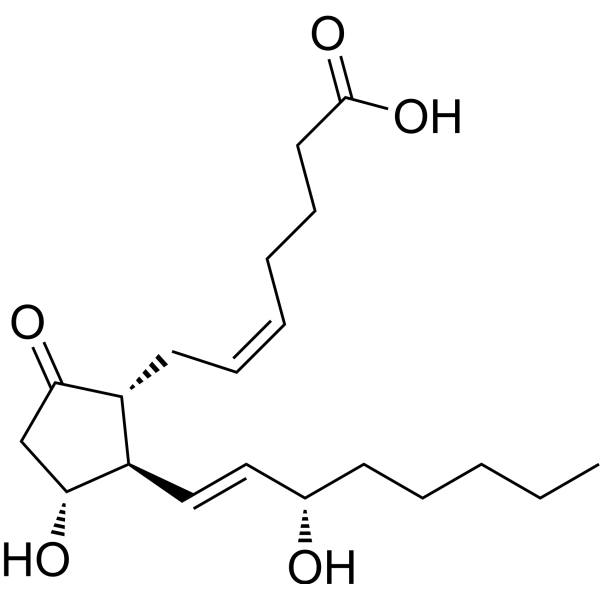 0 ImagesCat. No.: HY-101952RCAS No.: 363-24-6Synonyms: PGE2(Standard); Dinoprostone (Standard)Prostaglandin E2 (Standard) is the analytical standard of Prostaglandin E2. This product is intended for research and analytical applications. Prostaglandin E2 (PGE2) is a hormone-like substance that participate in a wide range of body functions such as the contraction and relaxation of smooth muscle, the dilation and constriction of blood vessels, control of blood pressure, and modulation of inflammation.
-
Prostaglandin E2-d4
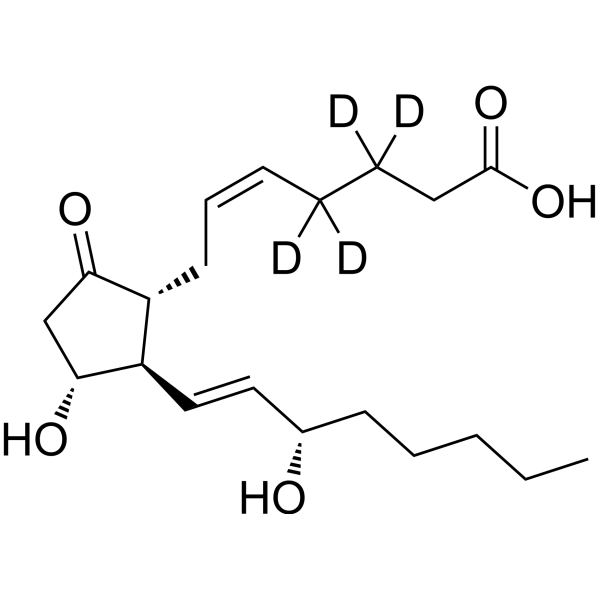 0 ImagesSynonyms: PGE2-d4; Dinoprostone-d4Prostaglandin E2-d4 is the deuterium labeled Prostaglandin E2. Prostaglandin E2 (PGE2) is a hormone-like substance that participate in a wide range of body functions such as the contraction and relaxation of smooth muscle, the dilation and constriction of blood vessels, control of blood pressure, and modulation of inflammation.
-
Grapiprant
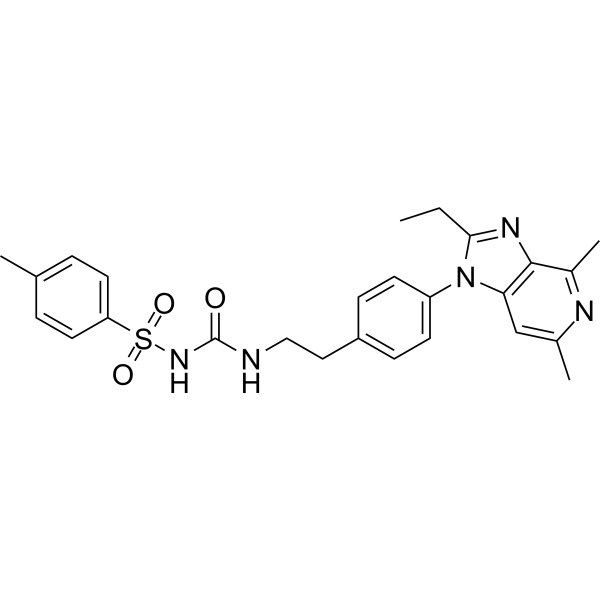 0 ImagesSynonyms: CJ-023423; RQ-00000007; AAT-007Grapiprant (CJ-023423) is a selective EP4 receptor antagonist whose physiological ligand is prostaglandin E2 (PGE2). Grapiprant displaces [3H]-PGE2 (1 nM) binding to dog recombinant EP4 receptor with IC50 value of 35 nM and Ki value of 24 nM. Grapiprant has the potential for osteoarthritic pain and inflammation treatment[3] .
-
GW627368
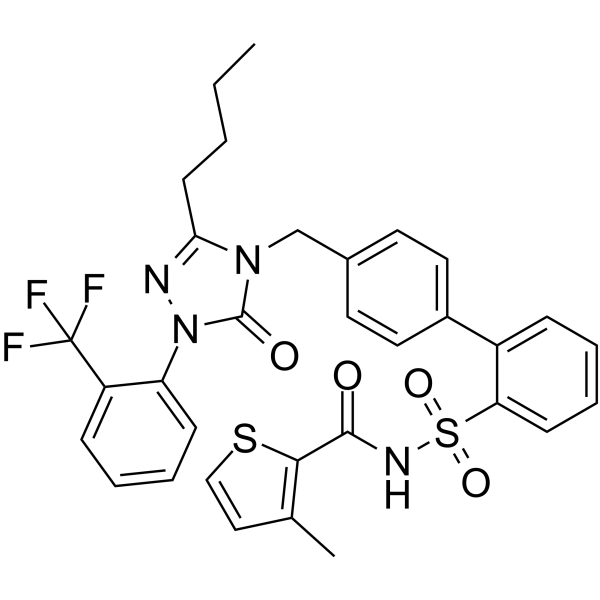
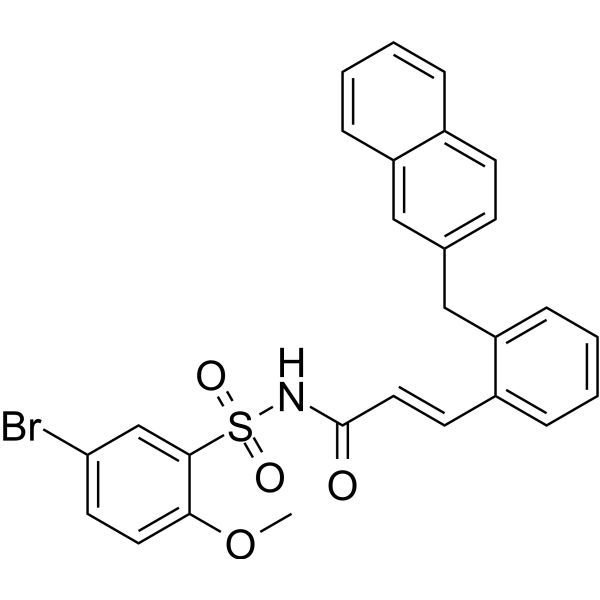
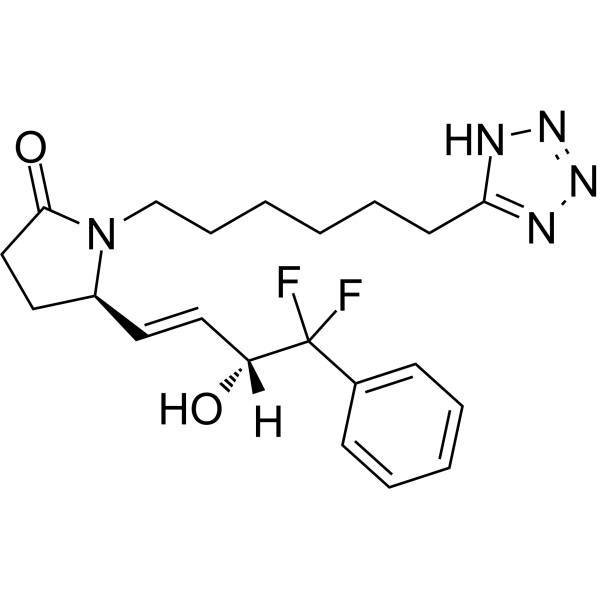
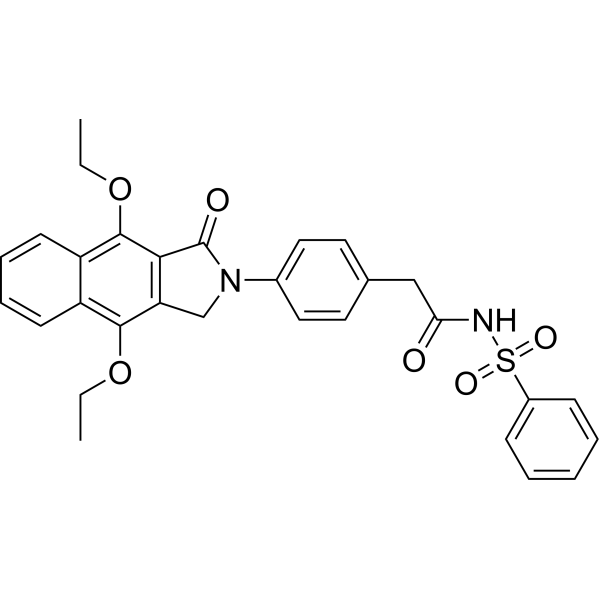 0 ImagesGW627368 (GW627368X) is a novel, potent and selective competitive antagonist of prostanoid EP4 receptor with additional human TP receptor affinity, with pKi values of 7.0 and 6.8 for human prostanoid EP4 and TP receptors respectively.
-
15-keto-Prostaglandin E2
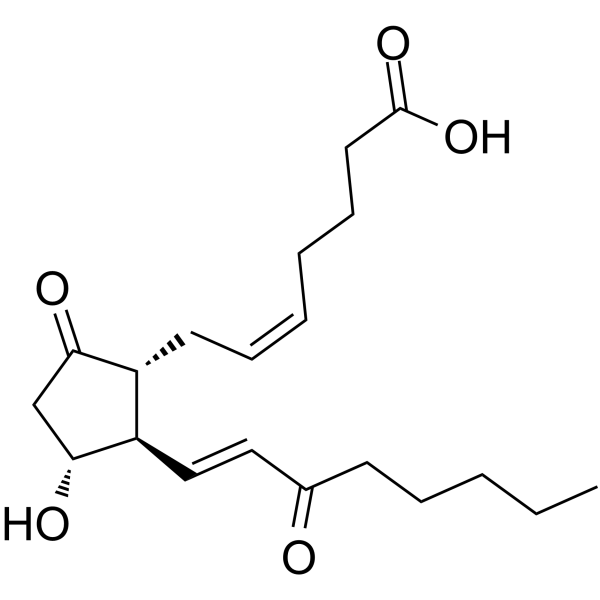 0 ImagesSynonyms: 15-keto-PGE215-keto-Prostaglandin E2 (15-keto-PGE2) is an endogenous PGE2 metabolite. 15-keto-Prostaglandin E2 inhibits STAT3 activation by binding to the Cys259 residue of STAT3. 15-keto-Prostaglandin E2 binds to and stabilizes EP2 and EP4 receptors. 15-keto-Prostaglandin E2 inhibits the growth and progression of breast cancer cells. 15-keto-Prostaglandin E2 activates PPAR-γ and promotes fungal growth. 15-keto-Prostaglandin E2 disrupts glomerular vascularization during zebrafish development and reduces the surface area of the glomerular filtration barrier.
-
TG4-155
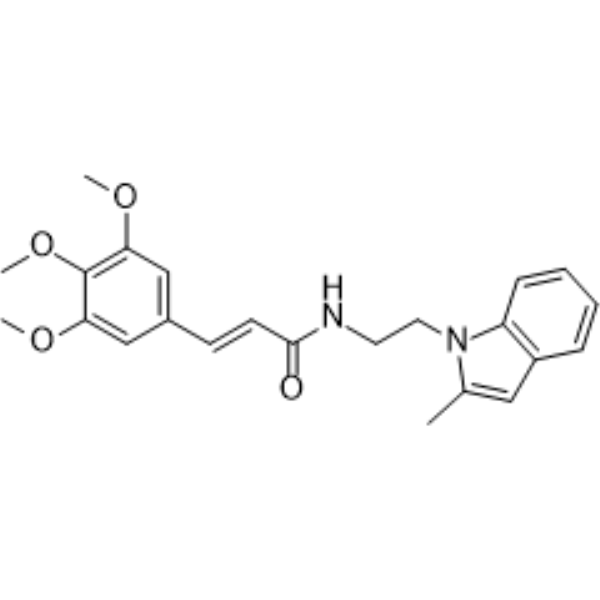 0 ImagesTG4-155 is a potent, brain-permeant and selective EP2 receptor antagonist with a Ki of 9.9 nM. TG4-155 shows low nanomolar antagonist activity against only EP2 and DP1. TG4-155 has an EP2 Schild KB of 2.4 nM and displays 550-4750-fold selectivity for EP2 over EP1, EP3, EP4 and IP, but only 14-fold selectivity against the DP1 receptor.
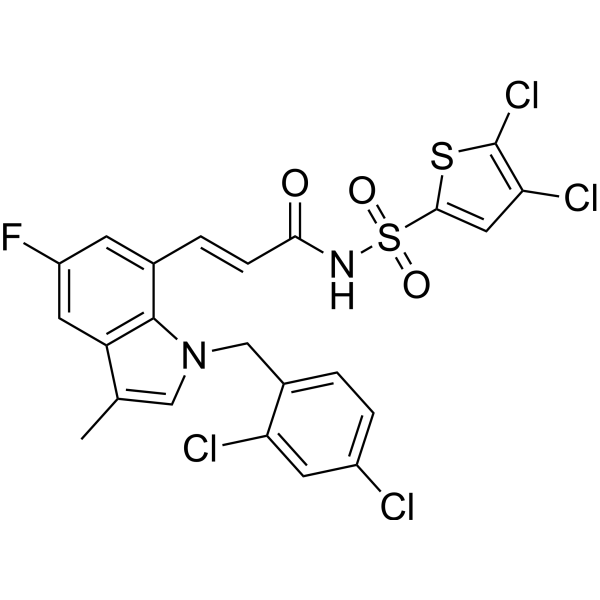
-
Omidenepag
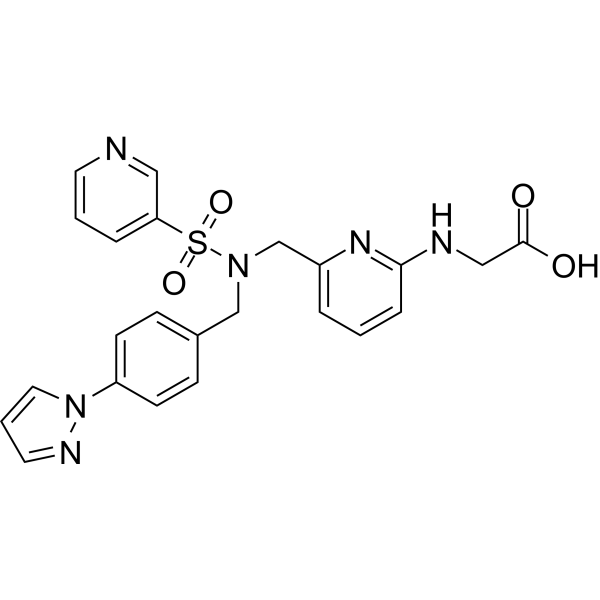 0 ImagesSynonyms: UR-7276Omidenepag (UR-7276), a pharmacologically active form of Omidenepag Isopropyl, is a selective, non-prostanoid EP2 receptor agonist, with an EC50 of 1.1 nM. Omidenepag shows binding affinities (IC50) 10 nM for h-EP2. Omidenepag is used in research on diseases related to intraocular pressure.
-
EP4 receptor antagonist 1
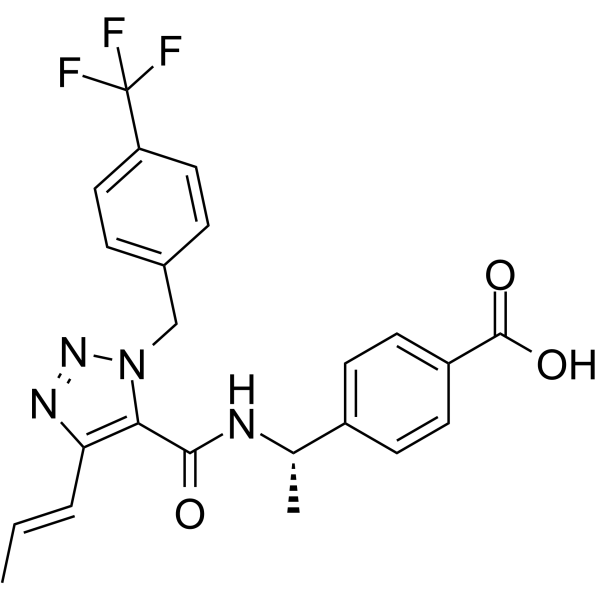 0 ImagesEP4 receptor antagonist 1 is a highly potent and selective competitive prostanoid EP4 receptor antagonist for cancer immunotherapy. EP4 receptor antagonist 1 inhibits human and mouse EP4 receptor with IC50s of 6.1 nM and 16.2 nM, respectively. IC50s >10 μM for human EP1, EP2,and EP3 receptors.
-
Evatanepag
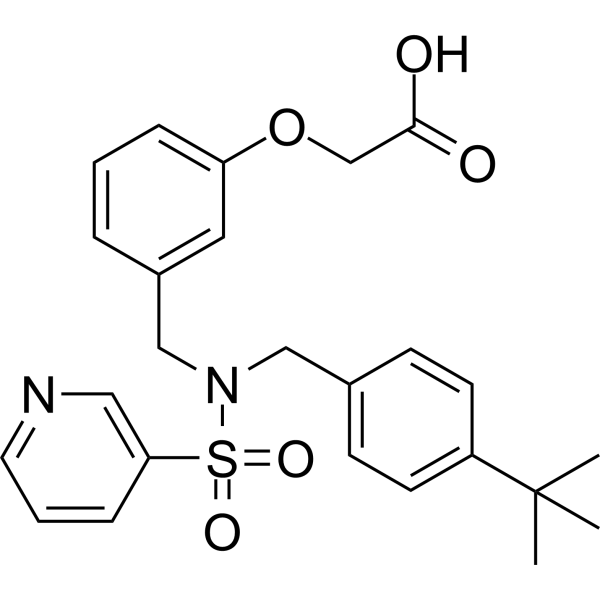 0 ImagesSynonyms: CP-533536 free acid
-
Prostaglandin J2
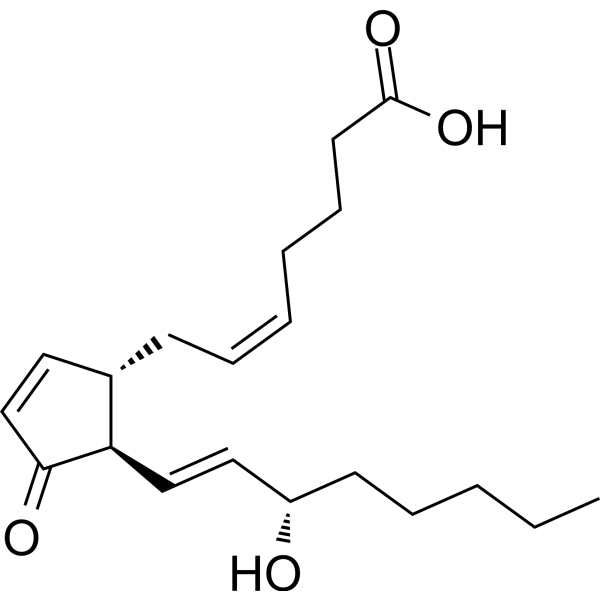 0 ImagesSynonyms: PGJ2Prostaglandin J2 (PGJ2), an endogenous metabolite of Prostaglandin D2 (PGD2; HY-101988), is a potent PGD2 receptor (DP) agonist with Kis of 0.9 nM and 6.6 nM for hDP and hCRTH2, respectively. Prostaglandin J2 stimulates intracellular cyclic AMP production with an EC50 value of 1.2 nM. Prostaglandin J2 induces oxidative stress and neuronal apoptosis. Prostaglandin J2 induces the accumulation/aggregation of ubiquitinated (Ub) proteins. Prostaglandin J2 is highly neurotoxic and potentially contributes to many neurodegenerative conditions, including Alzheimer's (AD) and Parkinson's diseases (PD).



